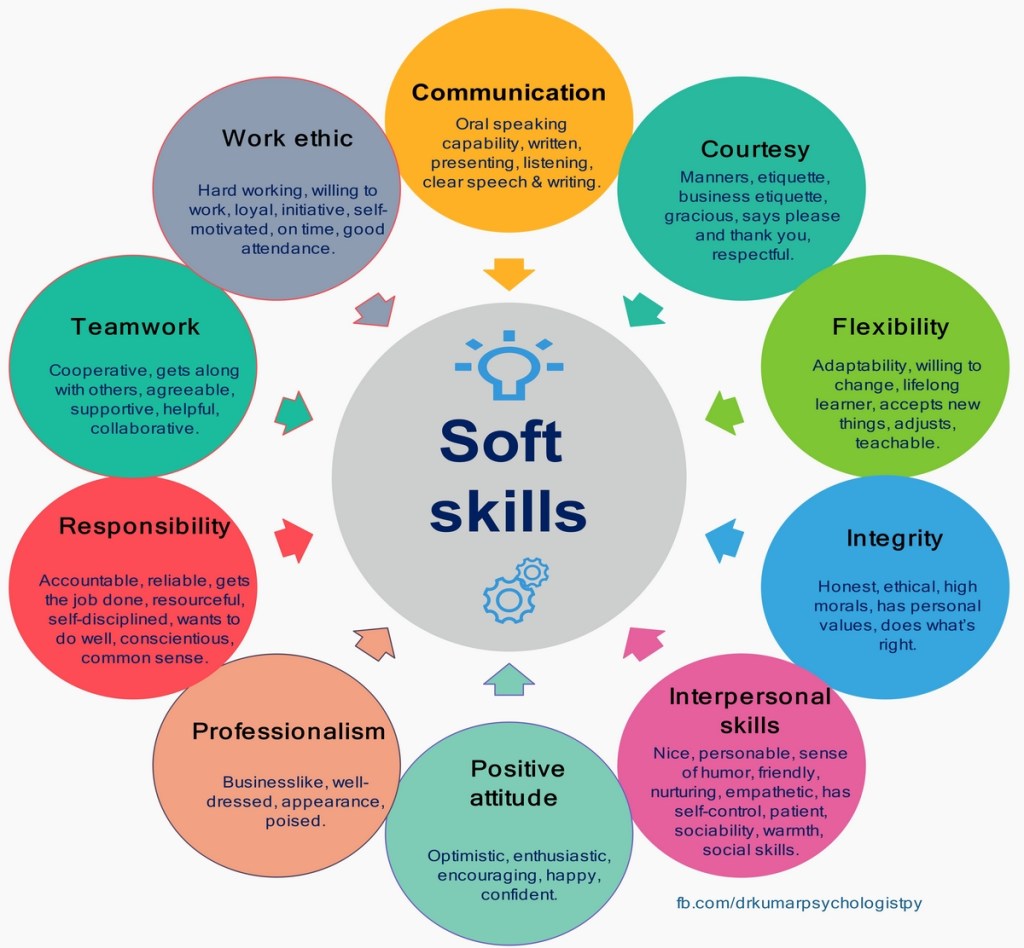
Soft skills development is an essential aspect of achieving professional success and personal growth in today’s dynamic work environment. While technical skills may get you in the door, it’s often your soft skills that pave the way for lasting relationships, effective teamwork, and career advancement. This journey into soft skills unveils the importance of effective communication, empathy, and adaptability, illuminating how these skills enhance not only individual performance but also contribute significantly to team dynamics.
In this exploration, we will delve into various methods for honing these valuable skills, discuss their relevance across different fields, and highlight the transformative impact they can have on both personal and professional landscapes. By understanding and developing soft skills, individuals can unlock doors to new opportunities and foster a positive workplace culture.
Importance of Soft Skills Development
In today’s dynamic work environment, soft skills play a crucial role in determining professional success. Unlike technical skills, which may be specific to a particular job or industry, soft skills are universally applicable and essential across all types of workplaces. They facilitate better communication, collaboration, and problem-solving, enabling individuals to not only perform their tasks effectively but also contribute positively to the organizational culture.Soft skills encompass a variety of interpersonal attributes that enhance one’s ability to work well with others.
Key soft skills such as communication, teamwork, adaptability, and emotional intelligence significantly bolster professional effectiveness. For instance, effective communication skills allow employees to articulate their ideas clearly, which is vital for teamwork and collaboration. Similarly, adaptability helps individuals navigate change and overcome challenges, ultimately leading to higher productivity and job satisfaction.
Key Soft Skills That Enhance Professional Effectiveness
Understanding and developing key soft skills can greatly influence one’s career trajectory. These skills are not only vital for individual performance but also for fostering a positive team environment. The following are essential soft skills that contribute to professional effectiveness:
- Communication: The ability to convey ideas clearly and listen actively fosters understanding and collaboration among team members.
- Teamwork: Working well with others encourages a sense of community and shared goals, enhancing project outcomes.
- Adaptability: The willingness to adjust to new situations and challenges ensures resilience in a fast-paced work culture.
- Problem-Solving: Analytical thinking and creativity facilitate innovative solutions to obstacles that may arise in the workplace.
- Emotional Intelligence: Recognizing and managing one’s own emotions, as well as empathizing with others, leads to healthier interpersonal dynamics.
Soft skills not only improve individual performance but also contribute to personal growth and team dynamics. Development in these areas can lead to increased confidence, better relationships, and enhanced ability to manage workplace challenges. For example, an employee with strong emotional intelligence may foster a supportive environment, leading to increased morale and productivity among team members.
“Soft skills are the backbone of a successful workplace, enabling teams to thrive and adapt.”
In conclusion, prioritizing the development of soft skills is essential for both individual and organizational success. The ability to communicate effectively, work collaboratively, and adapt to changing environments enhances not just personal career paths but also the overall health and performance of teams.
Methods for Developing Soft Skills
Developing soft skills is essential for personal and professional growth. Various training programs and exercises can foster these skills, enhancing interactions and teamwork among individuals. This segment focuses on actionable methods that cater to both individuals and educational institutions aiming to improve soft skills.
Training Programs for Soft Skills Enhancement
There is an array of training programs designed specifically for the enhancement of soft skills. These programs often include workshops, seminars, and online courses that focus on different soft skill areas such as communication, teamwork, and emotional intelligence.
- Workshops: Interactive sessions that involve group activities and discussions, enabling participants to practice skills in real-time. Examples include role-playing scenarios to handle difficult conversations.
- Online Courses: Flexible platforms such as Coursera, Udemy, and LinkedIn Learning offer a variety of courses on soft skills ranging from negotiation to conflict resolution.
- Mentoring Programs: Pairing individuals with mentors can provide personalized guidance and feedback, allowing for tailored skill development.
- Corporate Training: Organizations often hire external consultants to conduct training sessions focused on team dynamics and communication skills.
Effective Exercises for Communication and Teamwork Improvement
Integrating specific exercises into training sessions can significantly improve communication and teamwork abilities. These activities foster collaboration and understanding among participants.
- Active Listening Exercise: Participants pair up and take turns speaking and listening. The listener must summarize what the speaker said to ensure understanding.
- Team-building Games: Activities like trust falls or escape room challenges encourage collaboration and problem-solving within teams.
- Feedback Circles: Team members share constructive feedback about each other’s work, emphasizing positive attributes and improvement areas.
- Role Reversal: Team members switch roles during discussions to gain perspective on each other’s contributions and challenges.
Implementation Plan for Soft Skills Training in Educational Institutions
Incorporating soft skills training within educational institutions requires a structured approach. An effective plan would address curriculum integration, faculty training, and student engagement.
- Curriculum Development: Schools can integrate soft skills into existing subjects, ensuring students practice these skills in context. For instance, incorporating group projects can enhance teamwork and communication.
- Faculty Workshops: Training teachers to effectively model and teach soft skills is vital. Workshops can equip them with strategies to incorporate these skills into their teaching methods.
- Extracurricular Activities: Clubs and organizations can focus on developing soft skills through leadership opportunities, community service projects, and public speaking events.
- Assessment Tools: Schools should create metrics to evaluate students’ soft skills development, providing feedback that can help identify areas for improvement.
Soft Skills Across Different Fields

Soft skills play a pivotal role in various disciplines, influencing not just academic success but also professional effectiveness. While the importance of these skills is universally acknowledged, their relevance can vary significantly across different fields. This section delves into how soft skills manifest uniquely in social and empirical sciences compared to natural and physical sciences, identifies crucial soft skills for computer science education, and examines their role in addressing anomalies in alternative science.
Relevance of Soft Skills in Social and Empirical Sciences vs. Natural and Physical Sciences
In social and empirical sciences, soft skills such as communication, empathy, and collaboration are essential. These fields often involve interactions with diverse populations and necessitate a deep understanding of human behavior. Consequently, effective communication enhances research dissemination and community engagement. Conversely, in natural and physical sciences, while technical skills are paramount, soft skills are still critical for teamwork and effective project management.
Researchers must collaborate across multidisciplinary teams to innovate and solve complex problems, highlighting the importance of adaptability and critical thinking.To further illustrate this distinction, here’s a comparison of essential soft skills in both categories:
- Social and Empirical Sciences:
- Active Listening
- Interpersonal Skills
- Conflict Resolution
- Emotional Intelligence
- Natural and Physical Sciences:
- Team Collaboration
- Problem-Solving
- Adaptability
- Creativity
Essential Soft Skills for Success in Computer Science Education
In computer science education, certain soft skills are particularly vital for both academic performance and career readiness. As the field often involves teamwork, project-based learning, and client interaction, the following soft skills are essential:
- Communication Skills: Effectively sharing ideas and solutions is crucial in collaborative environments.
- Critical Thinking: Analyzing problems and devising innovative solutions are integral to programming and system design.
- Time Management: Balancing multiple projects and deadlines is a necessary skill for students and professionals alike.
- Adaptability: The tech landscape is ever-evolving; being open to learning new technologies is fundamental.
Role of Soft Skills in Addressing Anomalies and Alternative Science
Soft skills also play a significant role in addressing anomalies and alternative science. Researchers and practitioners in these areas often face skepticism from the broader scientific community. The ability to communicate findings effectively, foster open dialogue, and engage in constructive debate is essential for validating alternative theories and practices.Key soft skills that are instrumental in this context include:
- Persuasive Communication: Convincing stakeholders and peers about the validity of alternative findings requires strong persuasive skills.
- Networking: Building relationships with like-minded individuals and organizations can amplify the impact of alternative science.
- Open-Mindedness: A willingness to consider and evaluate unconventional ideas fosters a more inclusive scientific discourse.
In the realm of science, the fusion of technical expertise with soft skills paves the way for innovation and breakthroughs.
Last Point
In summary, investing time and effort into soft skills development not only elevates one’s professional capabilities but also enriches personal interactions and collaborations. As we navigate through various sectors, the significance of soft skills remains constant, proving that the ability to connect, communicate, and collaborate effectively is crucial in any endeavor. Embracing these skills will undoubtedly lead to a more harmonious and productive workplace, creating a ripple effect of positive change.
FAQ
What are soft skills?
Soft skills are interpersonal skills that relate to how we work with others, including communication, teamwork, and emotional intelligence.
Why are soft skills important in the workplace?
Soft skills enhance collaboration, improve leadership qualities, and contribute to a positive work environment, crucial for career advancement.
How can I improve my soft skills?
You can improve your soft skills through practice in real-life situations, taking courses, and seeking feedback from peers.
Are soft skills transferable between jobs?
Yes, soft skills are highly transferable and valuable across various industries and job roles.
How can organizations promote soft skills development?
Organizations can promote soft skills development through workshops, training programs, and fostering a culture of open communication and teamwork.


