
In an increasingly digital world, Cybersecurity education has emerged as a pivotal aspect of modern learning. With cyber threats becoming more sophisticated, the demand for skilled cybersecurity professionals is soaring, prompting educational institutions to adapt and innovate their curricula. By focusing on the essential components of effective cybersecurity programs, we can equip the next generation with the necessary skills to navigate and protect the digital landscape.
This educational journey encompasses a blend of social sciences, empirical research, and technical disciplines, creating a comprehensive framework that not only addresses current challenges but also anticipates future needs. Innovative teaching methods and hands-on experiences play a crucial role in engaging students and fostering a deeper understanding of cybersecurity principles.
Importance of Cybersecurity Education
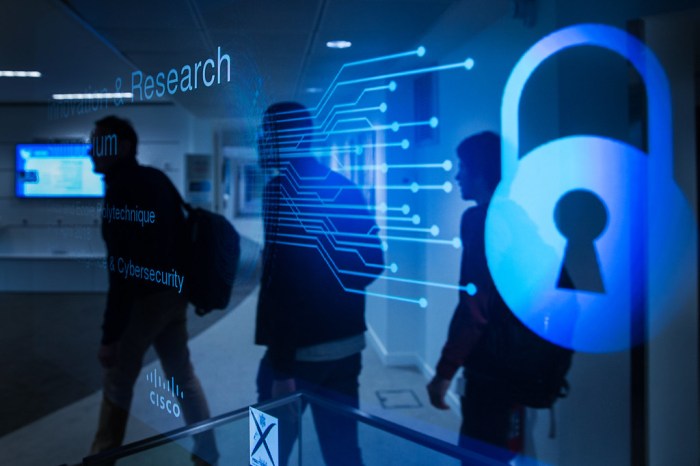
In today’s increasingly interconnected world, the significance of cybersecurity education cannot be overstated. As technology evolves, so do the threats associated with it, necessitating a well-informed workforce that can effectively combat cyber risks. With cyberattacks becoming more sophisticated, educating individuals about cybersecurity fundamentals is essential to safeguarding personal and organizational data.The demand for cybersecurity professionals has surged, reflecting the urgent need for skilled individuals in various industries.
As businesses and government entities grapple with an ever-growing landscape of cyber threats, educational institutions are responding by creating specialized programs aimed at equipping students with the necessary skills. The implications of this trend are profound, as institutions must not only expand their curriculums but also ensure that they are aligned with industry standards and emerging technologies.
Key Components of Effective Cybersecurity Education Programs
An effective cybersecurity education program should encompass several critical components to ensure that students are well-prepared for the challenges of the digital age. Here are some essential elements that contribute to a robust curriculum in cybersecurity:
- Hands-On Experience: Practical, real-world applications are vital in cybersecurity training. Programs should incorporate labs and simulations that allow students to practice their skills in controlled environments.
- Industry-Relevant Certifications: Aligning educational pathways with recognized certifications (such as CISSP, CEH, or CompTIA Security+) can enhance job readiness and employability.
- Interdisciplinary Approach: Cybersecurity intersects with various fields, including law, ethics, and information technology. Programs should integrate courses from these areas to provide a well-rounded education.
- Continuous Learning Opportunities: The cybersecurity landscape is constantly evolving, so education must emphasize lifelong learning. This can include workshops, webinars, and access to the latest research.
- Collaboration with Industry: Partnerships with businesses enable educational institutions to stay current with industry needs and provide students with networking opportunities through internships and mentorship programs.
The combination of these components will create a solid foundation for students, preparing them to tackle contemporary cybersecurity challenges and contribute effectively to their future workplaces. Investing in cybersecurity education not only benefits individuals but also strengthens the overall security posture of organizations and society at large.
The future of cybersecurity relies on a skilled workforce educated in the latest technologies and practices.
Cybersecurity Curriculum Development
The rapid evolution of technology has made cybersecurity a critical field that requires a well-rounded educational approach. A comprehensive cybersecurity curriculum should blend technical skills with insights from social and empirical sciences to foster a holistic understanding of the threats and challenges in the digital landscape. By integrating various disciplines, educators can prepare students not only to tackle technical issues but also to understand the human behavior and societal impacts related to cybersecurity.In developing a robust curriculum, it’s essential to consider how to incorporate natural and physical sciences alongside traditional computer science principles.
This multi-faceted approach will enhance the learning experience and equip students with the diverse skills they need to excel in cybersecurity roles. Below, we detail methods for achieving this integration and the frameworks necessary for effective curriculum development.
Integration of Social and Empirical Sciences
A well-rounded cybersecurity education must include aspects of social and empirical sciences to understand the human factors that contribute to cybersecurity vulnerabilities. Here are key components to consider:
- Behavioral Analysis: Teach frameworks that analyze user behavior, such as social engineering tactics, to help students understand how human psychology affects security.
- Data Ethics: Discuss ethical considerations in data handling and privacy laws, emphasizing the responsibility of cybersecurity professionals in protecting user information.
- Sociological Factors: Explore how culture and society influence cybersecurity threats and responses, such as varying phishing attempts across different regions.
- Field Studies: Incorporate empirical research methods, allowing students to conduct studies on cybersecurity awareness and behavior in organizations.
Integration of Natural and Physical Sciences
Incorporating principles from natural and physical sciences can offer students a deeper understanding of the underlying technologies in cybersecurity. Here’s how these fields can be integrated:
- Network Physics: Cover the principles of physics that govern network operations, such as signal propagation and electromagnetic interference, to help students understand hardware vulnerabilities.
- Cryptography and Mathematics: Emphasize the role of mathematical theories in cryptography, including number theory and algorithm design, as foundational components of secure communications.
- Environmental Impacts: Discuss the environmental implications of cybersecurity practices, such as energy consumption in data centers and electronic waste management.
- Simulation Experiments: Use lab setups to simulate cyberattacks and defenses, allowing students to apply scientific methods to analyze and improve cybersecurity frameworks.
Incorporation of Computer Science Education Principles
Computer science is at the heart of cybersecurity education. Integrating its principles into a cybersecurity curriculum is pivotal to creating a knowledgeable workforce. The following framework can be employed:
- Programming Skills: Ensure students develop proficiency in programming languages commonly used in cybersecurity, such as Python, Java, and C++, enabling them to write scripts for automation and analysis.
- Systems Understanding: Teach students about operating systems, networking concepts, and hardware architectures to provide them with a solid foundation for understanding vulnerabilities and countermeasures.
- Incident Response Training: Develop hands-on labs that simulate real-world incidents, allowing students to practice their skills in detecting, responding to, and recovering from cyber threats.
- Portfolio Creation: Encourage students to build portfolios showcasing their projects and experiences, which can serve as tangible evidence of their skills to potential employers.
Innovative Teaching Methods in Cybersecurity
In the rapidly evolving landscape of cybersecurity, innovative teaching methods are essential to effectively prepare students for real-world challenges. Engaging students through hands-on training and simulations makes the learning experience more dynamic and practical. These methods not only enhance understanding but also foster critical thinking and problem-solving skills in the context of cybersecurity.
Hands-on Training and Simulations
Utilizing hands-on training and simulations is paramount in cybersecurity education. These approaches provide students with the opportunity to apply theoretical knowledge in controlled, realistic environments. The following are key techniques employed in this realm:
- Cyber Ranges: These are simulated environments that mimic real-world networks where students can practice attack and defense strategies without the risk of real-world repercussions. Students can engage in exercises that reflect current cyber threats, enhancing their skills in a practical setting.
- Role-playing Exercises: In these scenarios, students assume various roles within a cybersecurity incident response team. This interactive method promotes collaboration and helps students understand different perspectives within a cybersecurity framework.
- Capture the Flag (CTF) Competitions: These events challenge students to solve security-related puzzles and capture flags by exploiting vulnerabilities. CTFs encourage teamwork, strategic thinking, and technical skill development in a competitive format.
- Virtual Labs: Online platforms that offer virtual labs allow students to experiment with security tools and techniques safely. This flexibility enables learners to explore a variety of scenarios at their own pace.
Alternative Science Approaches in Cybersecurity
Addressing cybersecurity challenges often requires interdisciplinary approaches that incorporate alternative science perspectives. By applying concepts from behavioral science, sociology, and even psychology, educators can enrich the understanding of cyber threats and solutions. Here are some applications of these approaches:
- Behavioral Analysis: Understanding the psychological aspects of a hacker’s motivations can help in developing better defense strategies. Course content that incorporates behavioral science theories can equip students to anticipate and mitigate threats.
- Data Science Techniques: Leveraging data analytics in cybersecurity can uncover patterns of attack and provide insights into threat intelligence. Teaching students how to analyze data trends equips them with invaluable skills.
- Sociotechnical Systems: This approach examines the interplay between technology and human behavior. By exploring how people interact with systems, students can better appreciate the need for user-centered design in cybersecurity solutions.
Importance of Continuing Education and Advanced Training
The field of cybersecurity is constantly evolving, necessitating ongoing education and advanced training. Cybersecurity professionals must stay updated with the latest threats, technologies, and regulatory requirements. Continuing education can take various forms:
- Certifications: Programs such as CISSP, CEH, and CompTIA Security+ provide professionals with essential credentials and knowledge, ensuring they remain competitive in the field.
- Workshops and Seminars: Regular attendance at industry conferences and workshops allows practitioners to network with peers and learn directly from experts about emerging trends and technologies.
- Online Courses: The rise of MOOCs (Massive Open Online Courses) offers flexible learning opportunities for professionals seeking to expand their skill sets in specialized areas like cloud security, incident response, or threat hunting.
Summary
In conclusion, the significance of Cybersecurity education cannot be overstated. As we face a growing array of cyber threats, preparing students with a robust and diverse educational foundation is essential for their success in the field. By embracing innovative methodologies and continuously evolving the curriculum, we can ensure that the future of cybersecurity is not only secure but also bright.
Helpful Answers
What is the primary goal of Cybersecurity education?
The primary goal is to equip students with the knowledge and skills necessary to identify, analyze, and mitigate cyber threats effectively.
How can hands-on training impact Cybersecurity education?
Hands-on training enhances learning by providing practical experience that reinforces theoretical concepts, making students more competent and confident in real-world scenarios.
Why is it important to include social sciences in Cybersecurity education?
Incorporating social sciences helps students understand human behavior and societal impacts, which are critical in addressing cybersecurity challenges that involve human factors.
What role do educational institutions play in advancing Cybersecurity education?
Educational institutions are responsible for developing relevant curricula, training qualified instructors, and creating partnerships with industry to ensure that programs meet current cybersecurity needs.
How often should Cybersecurity education programs be updated?
Cybersecurity education programs should be updated regularly to keep pace with evolving technologies, emerging threats, and industry best practices.


