Renewable energy research is at the cutting edge of technology and sustainability, paving the way for a greener future. This field is not just about harnessing natural resources; it’s about transforming how we live and interact with our environment. As we explore advancements in solar, wind, and hydropower technologies, we uncover a rich tapestry of research opportunities and challenges that shape our energy landscape.
From the latest solar panel innovations to the complexities of wind energy systems, and the vital role of hydropower, each aspect contributes significantly to our understanding and implementation of renewable energy solutions. Moreover, examining the social and empirical sciences related to these technologies reveals how public perception and community engagement influence research priorities. Education and training are equally essential, ensuring that future researchers possess the interdisciplinary skills necessary to drive this field forward.
Renewable Energy Technologies
Recent advancements in renewable energy technologies have sparked a transformation in how we harness natural resources for sustainable power. Researchers and engineers are continuously innovating to improve efficiency, reduce costs, and enhance the reliability of these systems. This exploration into solar, wind, and hydropower technologies reveals significant implications for energy research and its future.
Solar Energy Technologies
Solar energy technologies have seen remarkable advancements, particularly in photovoltaic (PV) systems and concentrated solar power (CSP). The efficiency of solar cells has dramatically increased, with newer materials like perovskites promising efficiencies over 25%. This offers profound implications for research, as higher efficiency means less area is required to generate the same power output, making solar installations viable even in space-constrained environments.
Furthermore, the integration of solar energy with energy storage systems is a crucial area of research. Advanced battery technologies, such as lithium-sulfur and solid-state batteries, are being developed to address the intermittent nature of solar energy. As a result, the combination of high-efficiency solar cells and robust storage solutions creates a more stable energy supply, paving the way for wider adoption of solar power in both residential and commercial settings.
Wind Energy Systems
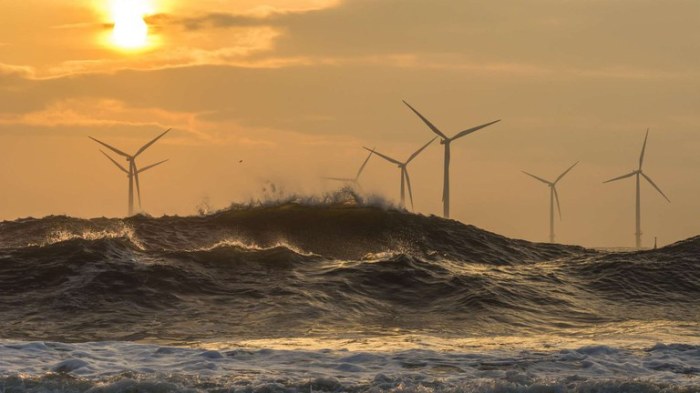
Wind energy systems play a vital role in the renewable energy landscape, contributing significantly to the global energy mix. Recent advancements in turbine technology, such as larger rotor diameters and taller towers, have increased energy capture from wind resources. However, this sector faces several research challenges, particularly regarding grid integration and the environmental impact of wind farms. Understanding wind patterns and improving predictive models are essential for optimizing the placement and performance of wind turbines.
Additionally, noise and wildlife impact studies are ongoing to mitigate adverse effects. Research into floating wind farms is also gaining traction, allowing for installations in deeper waters where wind speeds are generally higher and more consistent.
Hydropower Research Directions
Hydropower remains one of the most established forms of renewable energy. Its reliability and efficiency make it a key player in the transition to sustainable energy systems. Recent research has focused on enhancing the sustainability of hydropower projects by improving water management practices and developing low-impact hydro technologies. The future direction for hydropower research includes the exploration of small-scale and run-of-the-river projects that minimize ecological disruption while maximizing energy generation.
Innovative approaches such as fish-friendly turbines and eco-hydraulic modeling are being investigated to balance energy needs with environmental preservation. Moreover, the potential for integrating hydropower with other renewable sources like solar and wind could create hybrid systems that enhance overall energy resilience and reliability.
“The integration of renewable technologies is crucial for achieving a sustainable energy future.”
Social and Empirical Sciences Related to Renewable Energy
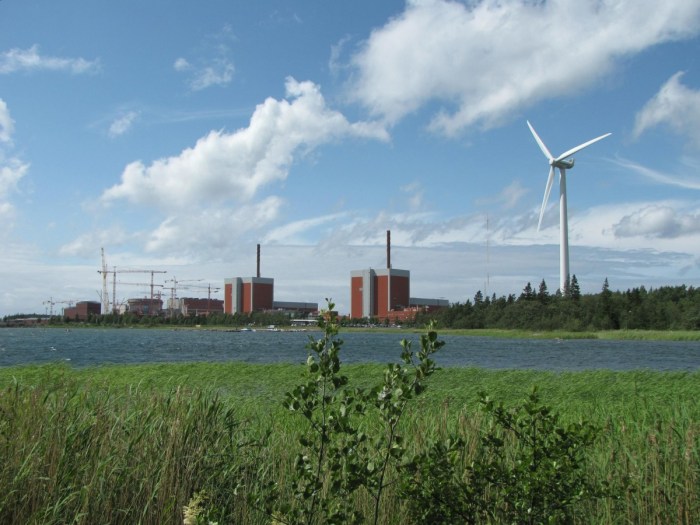
The social and empirical sciences play a crucial role in understanding the dynamics of renewable energy adoption. The public’s perception of renewable energy sources significantly shapes research priorities and influences policy-making. Furthermore, the transition to renewable energy has far-reaching social impacts that cannot be overlooked. Empirical research methods help in exploring these impacts and understanding community behavior towards renewable energy technologies.
Public Perception of Renewable Energy Sources
Public perception greatly influences the direction of renewable energy research and development. Understanding how communities view different energy sources can provide insights into which technologies receive funding and support. Recent surveys indicate that a majority of the public supports renewable energy initiatives, primarily due to concerns about climate change and environmental sustainability. Key insights include:
- Over 75% of respondents in various studies express a strong preference for solar and wind energy over fossil fuels, highlighting a shift in public sentiment.
- Public awareness campaigns significantly boost support for renewable energy projects, indicating the importance of education in shaping perceptions.
- Communities that actively participate in renewable energy projects report higher satisfaction levels, which encourages further investment and adoption.
“Public perception is not just a reflection of preferences; it actively shapes the policies and funding mechanisms for renewable energy.”
Social Impacts of Transitioning to Renewable Energy
The transition to renewable energy has profound social implications, affecting job markets, community health, and energy equity. Case studies from various regions illustrate these impacts:
- In Germany, the Energiewende (energy transition) policy has created over 400,000 jobs in the renewable sector, demonstrating the potential for job creation in sustainable energy industries.
- The installation of wind turbines in rural areas of the United States has led to increased tax revenues for local governments, which can be reinvested in community services.
- Community solar projects in vulnerable neighborhoods have improved access to clean energy, reducing energy costs and promoting energy equity.
“The social benefits of transitioning to renewable energy extend beyond environmental protection; they include economic opportunities and improved community well-being.”
Empirical Research Methods in Renewable Energy Adoption
Studying renewable energy adoption requires a variety of empirical research methods to effectively assess community engagement and acceptance. Common methods include:
- Surveys and questionnaires that gather quantitative data on public attitudes towards renewable energy and specific technologies.
- Case studies that provide qualitative insights into community-specific factors influencing renewable energy uptake, such as local policies and cultural attitudes.
- Focus groups that facilitate in-depth discussions among community members, uncovering barriers and motivations for adopting renewable energy solutions.
“Empirical research methods are essential for understanding the nuances of renewable energy adoption, allowing researchers to tailor solutions to local needs.”
Education and Training in Renewable Energy Research
The transition to renewable energy technologies requires a well-prepared workforce equipped with the necessary knowledge and skills. Training future researchers in renewable energy involves the development of a comprehensive curriculum that emphasizes both theoretical understanding and practical application. This is critical for driving innovation and advancing sustainable energy solutions.Interdisciplinary training is essential in renewable energy research as it combines insights from natural sciences, social sciences, and technology.
This approach fosters a holistic understanding of energy systems, allowing researchers to address complex challenges. By integrating perspectives from various fields, students can learn to appreciate the multifaceted impacts of renewable energy on society, the economy, and the environment.
Curriculum Design for Renewable Energy Research
A well-designed curriculum for training future researchers in renewable energy technologies should encompass a variety of subjects that provide both depth and breadth of knowledge. This ensures that students are prepared to tackle the diverse challenges of the renewable energy sector. Key components of such a curriculum include:
- Fundamentals of Renewable Energy: Introduction to different types of renewable energy sources such as solar, wind, hydro, and biomass.
- Energy Systems Engineering: Principles of designing and optimizing energy systems.
- Environmental Impact Assessment: Understanding how renewable energy technologies affect ecosystems and communities.
- Policy and Regulation: Overview of laws and policies that govern renewable energy deployment.
- Economic Analysis of Energy Technologies: Methods to assess the financial viability of renewable energy projects.
- Data Analysis and Modeling: Techniques for using data to inform energy research and development.
Importance of Interdisciplinary Training
Interdisciplinary training is vital in equipping researchers with the ability to understand the interconnected nature of renewable energy systems. By integrating knowledge across various disciplines, students are better prepared to innovate and implement effective solutions. Key benefits include:
- Enhanced Problem-Solving Skills: Exposure to diverse methodologies empowers students to approach challenges from multiple angles.
- Collaboration Across Fields: Encourages teamwork among students and professionals from different backgrounds, fostering innovation.
- Comprehensive Understanding: Students learn the technical, social, and environmental contexts of renewable energy, leading to more informed decision-making.
- Adaptability: Prepares students for the evolving landscape of renewable energy technologies and policies.
Resources for Educators in Renewable Energy
Educators play a crucial role in shaping the next generation of renewable energy researchers. A comprehensive list of resources can help them effectively teach renewable energy concepts and practices. These resources include:
- Textbooks: Essential readings such as “Renewable Energy: Power for a Sustainable Future” and “Introduction to Renewable Energy” provide foundational knowledge.
- Online Courses: Platforms like Coursera and edX offer courses on renewable energy technologies and policies.
- Research Journals: Access to journals like “Renewable Energy” and “Journal of Cleaner Production” ensures that educators are up-to-date with the latest research.
- Government and NGO Reports: Publications from entities like the International Renewable Energy Agency (IRENA) provide valuable data and insights.
- Workshops and Conferences: Opportunities for networking and professional development through events focused on renewable energy research.
Outcome Summary
In summary, renewable energy research is an ever-evolving domain that combines technological advancements with societal impacts, shaping a sustainable future for generations to come. The potential for innovation in this field is immense, and as we continue to address the challenges and embrace the opportunities presented, we can look forward to a world powered by clean, renewable energy. Ultimately, the journey of transformation lies in integrating these insights into practical applications that benefit both our environment and society.
Essential Questionnaire
What are the benefits of renewable energy?
Renewable energy reduces greenhouse gas emissions, decreases dependence on fossil fuels, and promotes energy security while providing sustainable economic growth.
How do social perceptions affect renewable energy research?
Public perception influences policy decisions, funding allocations, and research priorities, making it crucial for researchers to understand community attitudes towards renewable sources.
What role does education play in advancing renewable energy research?
Education equips future researchers with necessary skills and knowledge, fostering interdisciplinary approaches that are vital to addressing complex energy challenges.
What are the main challenges in renewable energy research?
Challenges include technological limitations, funding issues, and the need for social acceptance and regulatory support for new energy systems.
How can communities contribute to renewable energy adoption?
Communities can advocate for policies that support renewable energy, participate in educational programs, and engage in local projects that promote sustainable practices.


